— The Math Max blog —
Blog
Tips, tricks and slightly unhinged pep talks for getting better at mental math — and for turning math practice into something people actually look forward to.
October 30, 2026
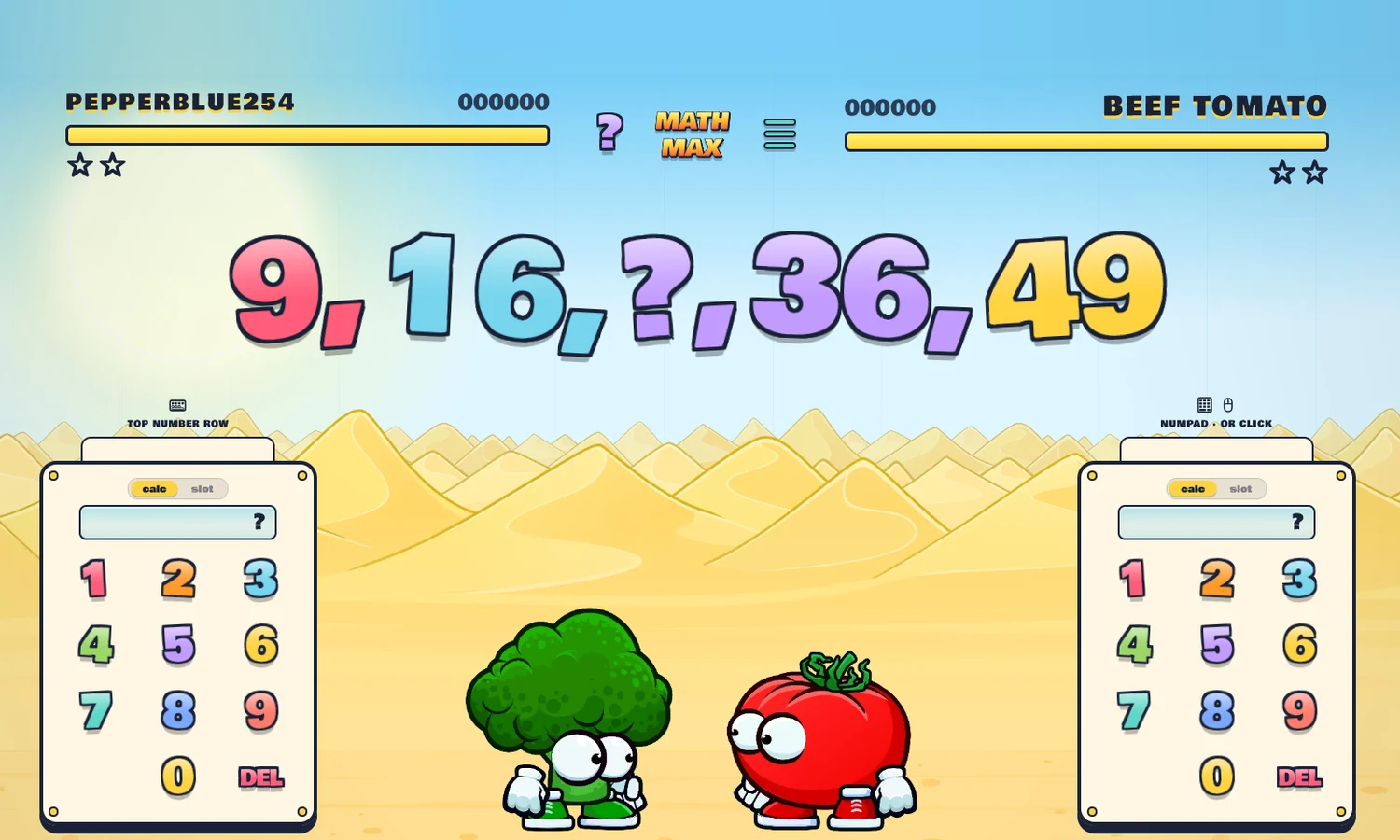
The Fibonacci sequence: what it is and where it shows up in nature
The Fibonacci sequence is a list where each number is the sum of the two before it. It starts 0, 1, 1, 2, 3, 5, 8, 13 and never ends.
Read more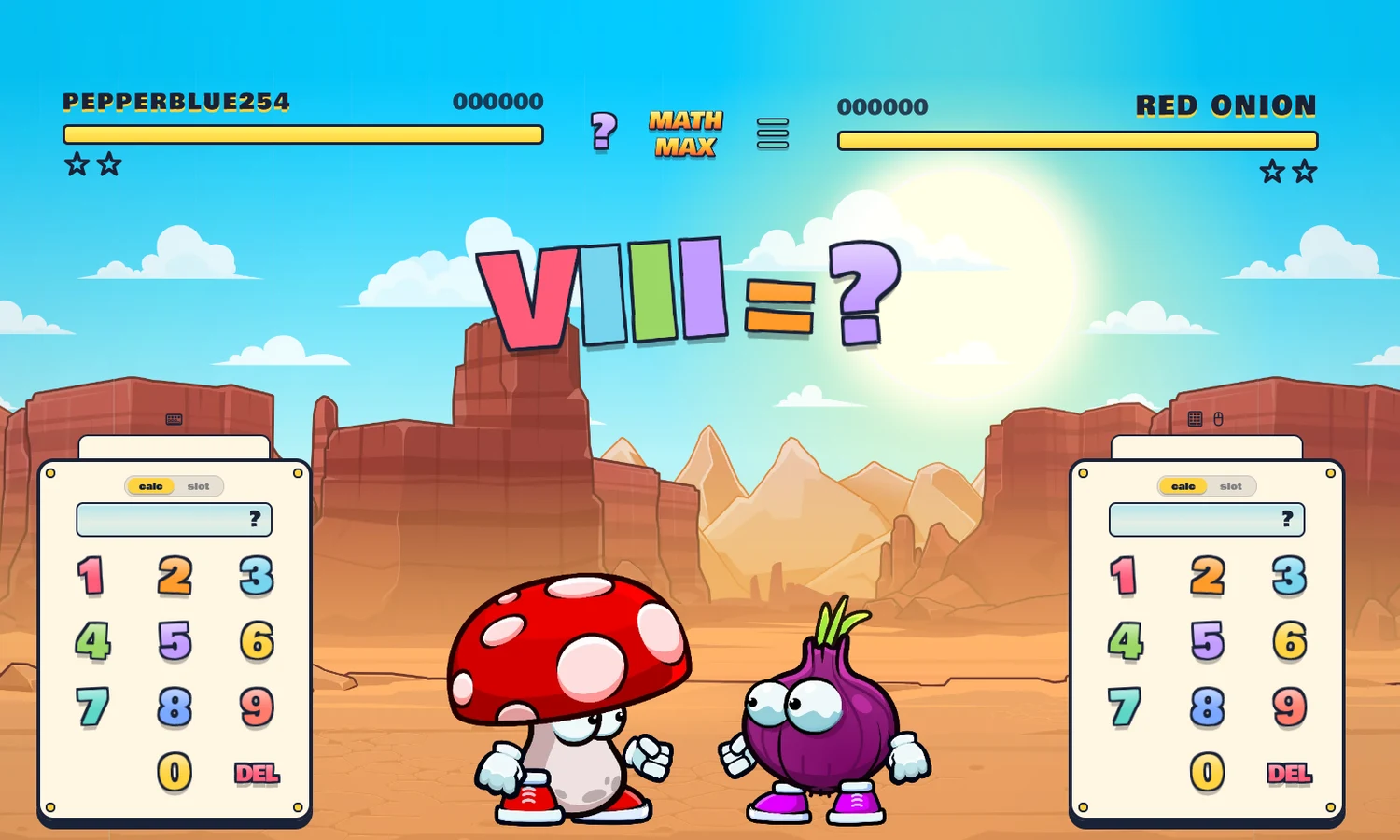
October 30, 2026
Roman numerals: how to read and write them, and why there is no zero
Roman numerals write numbers with seven letters, I, V, X, L, C, D and M, which stand for 1, 5, 10, 50, 100, 500 and 1,000.
Read more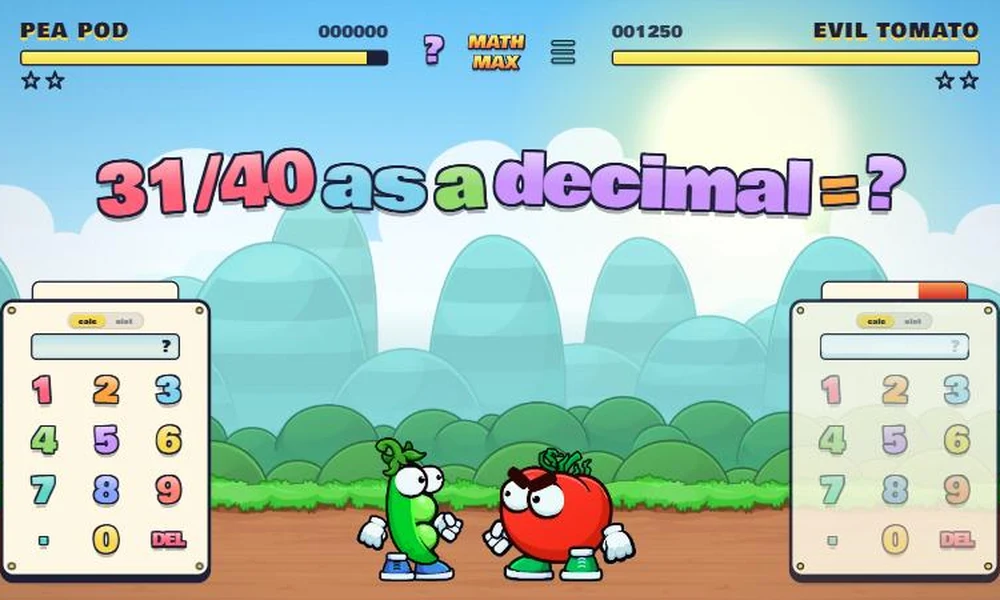
October 27, 2026
How to convert a decimal to a fraction (including repeating decimals)
How to convert a decimal to a fraction in three steps, with a list of common decimals and the trick for repeating decimals.
Read more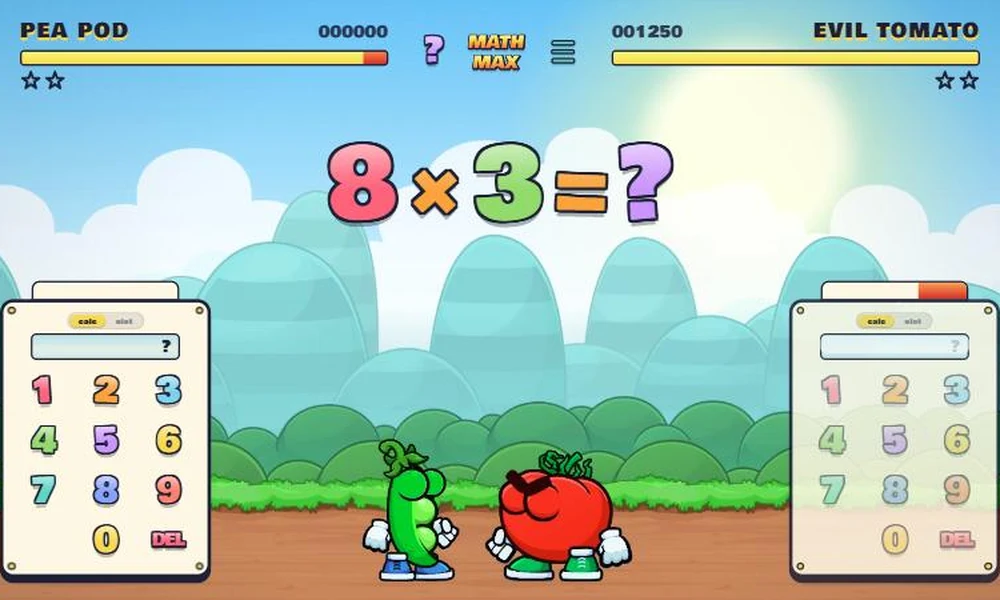
October 27, 2026
How to read a multiplication chart, and the patterns hidden in it
How to read a multiplication chart, the patterns hidden in it, and when your child can stop using it. Every row up to 12 × 12 included.
Read more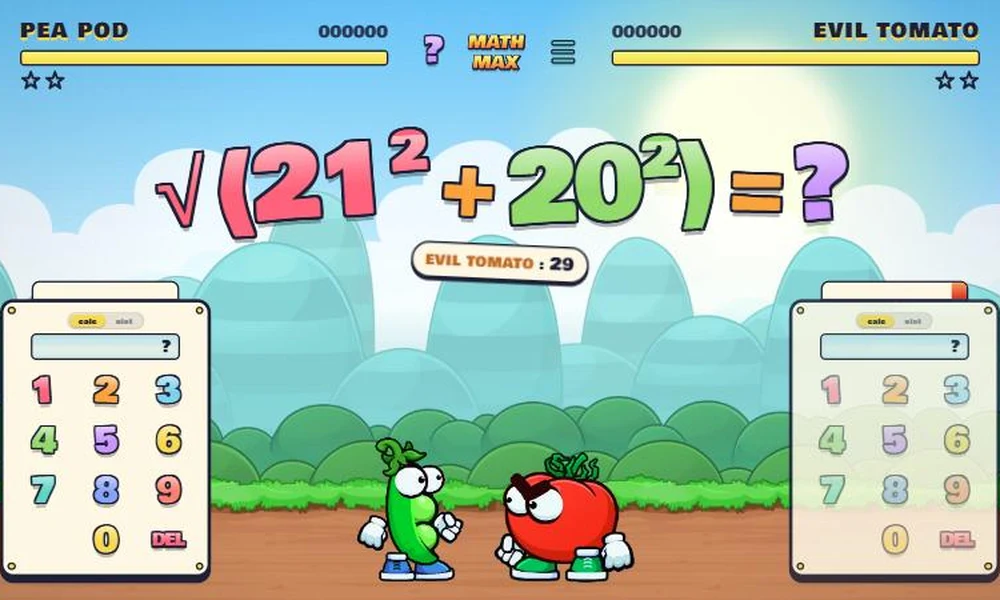
October 27, 2026
The Pythagorean theorem explained: find any side of a right triangle
The Pythagorean theorem explained with examples: find the hypotenuse or a shorter side, avoid common mistakes, and spot triples.
Read more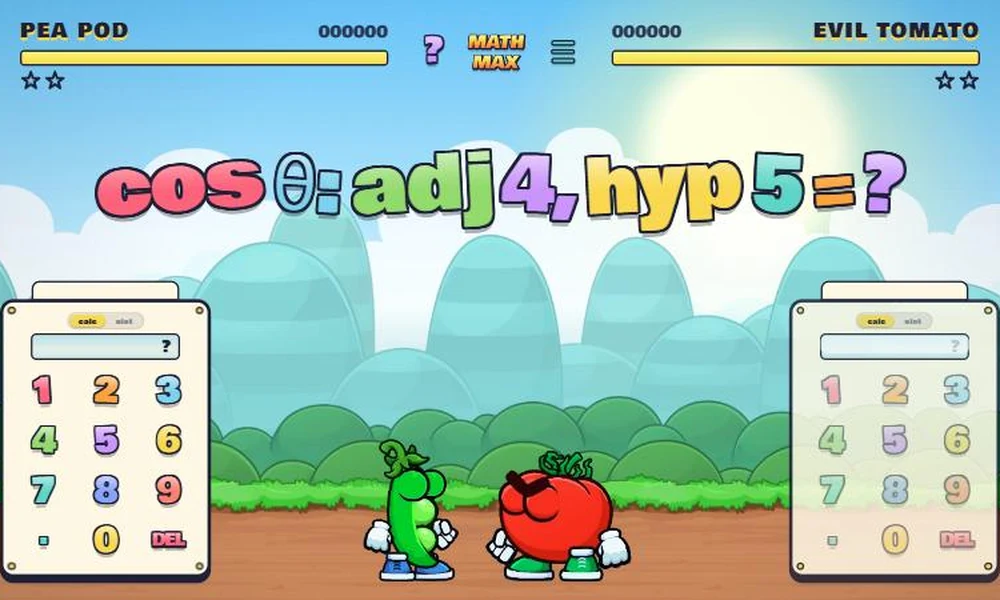
October 27, 2026
The unit circle explained, and how to remember it without memorizing
The unit circle explained simply: why sine is y, why radians, and three ways to rebuild every value without memorizing a chart.
Read more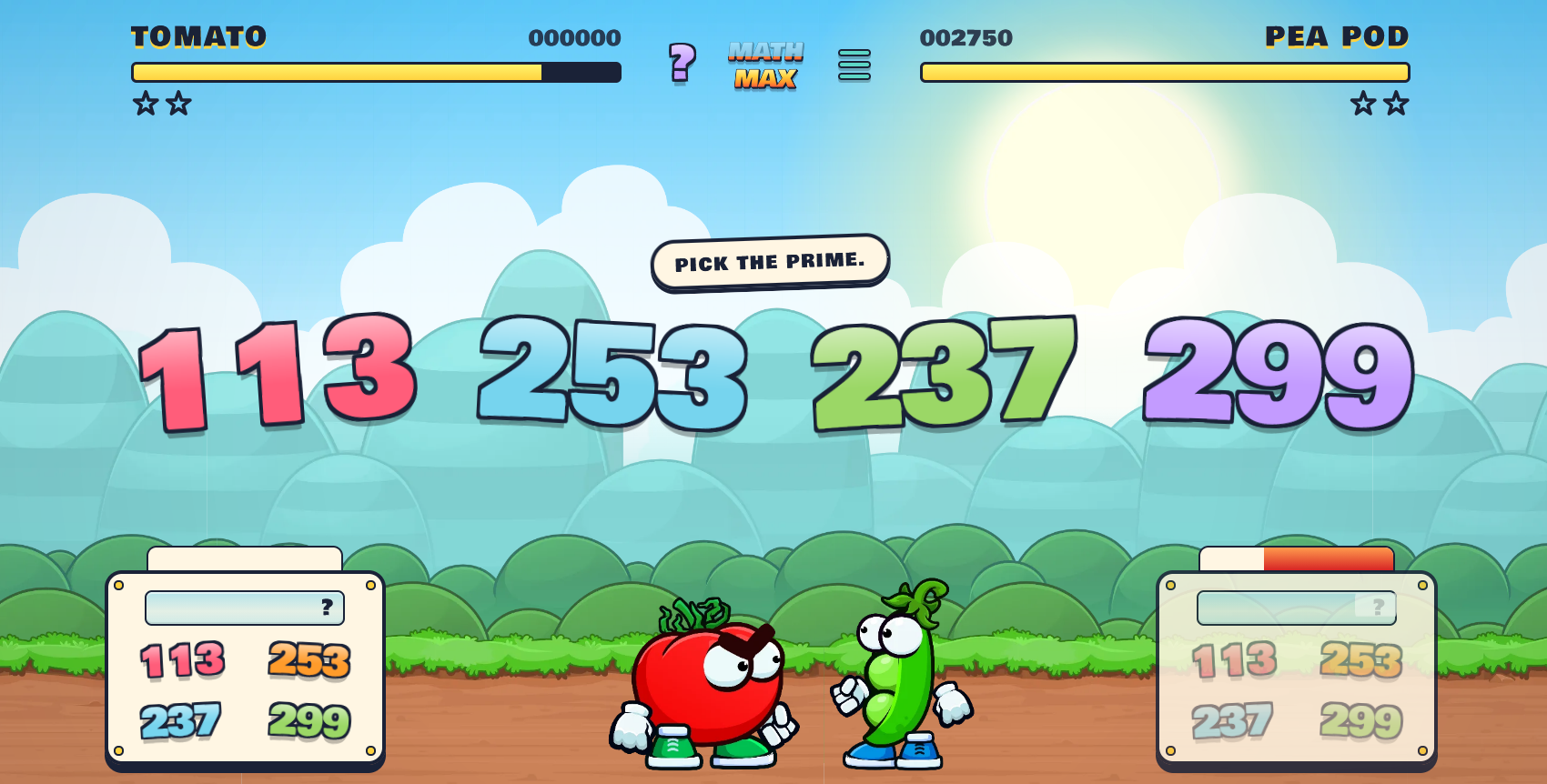
October 11, 2026
Is 1 a prime number? What primes are and how to spot them fast
Is 1 a prime number? No. See the real reason, a fast way to test any number, and the numbers that look prime but aren't.
Read more
March 18, 2026
Mental math tricks that actually work (with examples)
Mental math tricks for adding, subtracting, multiplying, percentages and squares, each with an example you can try right away.
Read more
February 25, 2026
Math games for the classroom: a teacher's setup guide
A practical guide to running a math game with a whole class — without losing the room, the lesson, or your sanity.
Read more